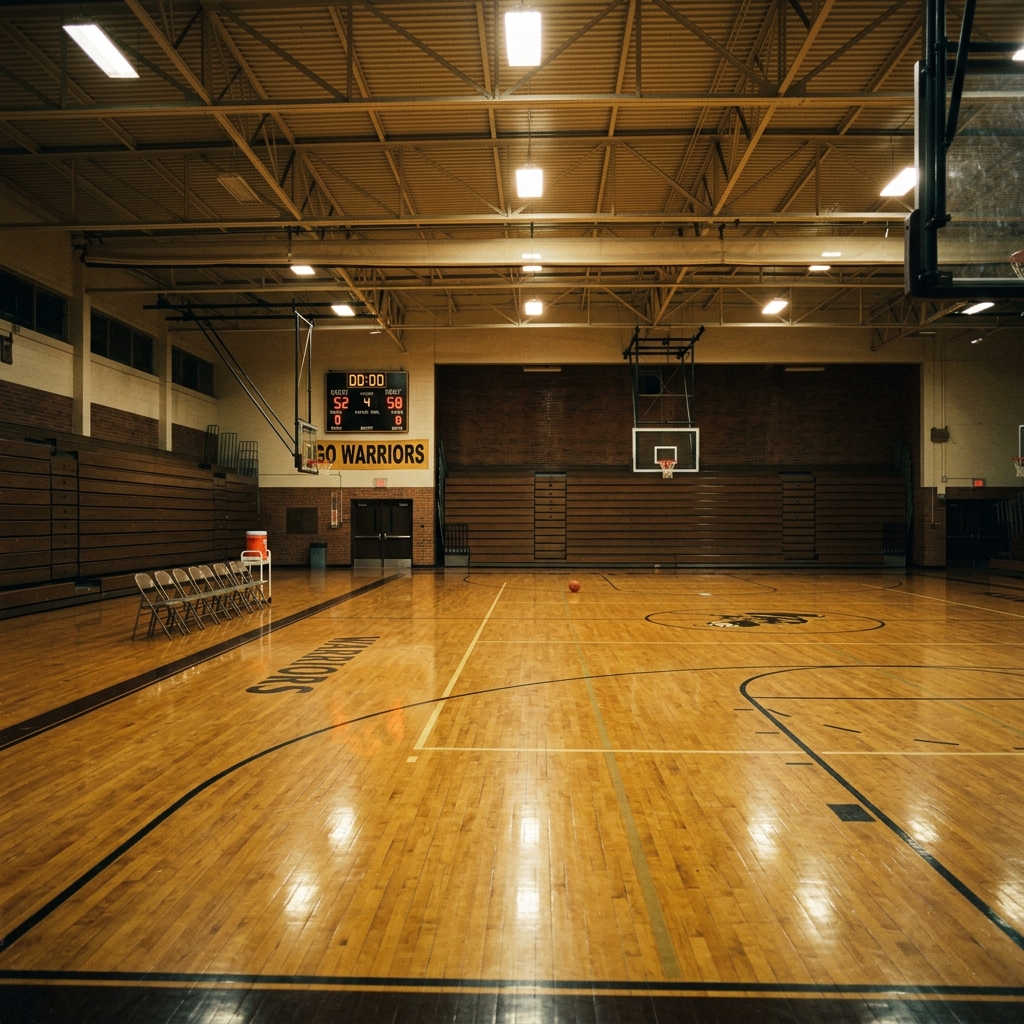
Twenty-two wins.
Zero losses.
District champions. Ranked number one in the state.
If you’d walked into our locker room that night, you would’ve thought every parent in the gym would be smiling.
Most were.
One wasn’t.
When Love Quietly Became Ownership
Over the years, I’ve often wondered what happens inside a parent’s heart when their child’s success slowly becomes their own identity.
It doesn’t happen overnight.
It starts in second grade. Then comes AAU. Private lessons. Summer leagues. Travel tournaments.
Thousands of miles. Thousands of dollars. Countless weekends.
Before long, your son’s basketball journey isn’t just his anymore.
It’s yours.
I understand that. I really do.
Parents sacrifice more than anyone knows. I watched them leave work early to make practices. Sit through snowstorms to get to tournaments. Spend vacations in high school gyms.
They loved their kids. That was never the problem.
The problem came when love quietly became ownership.
Some parents stopped watching the team. They watched only one player.
Their own.
If he scored, it was a great night. If he sat, it was a terrible night.
Even if the team won by twenty.
The Game Was Over
That season was unlike anything I’d experienced. We were undefeated. The kids played hard. They shared the basketball. They celebrated one another.
The parents? Well, some of them were fighting a different battle.
One game in particular still stands out.
We were leading the district championship by twenty points late in the fourth quarter. The game was over.
I decided to rest a few players and switched to a zone defense.
One of our best players didn’t rotate. He simply stood there.
Now, if you know me, you know I’m a man-to-man coach. Zone wasn’t exactly our specialty.
But if you’re in the game, you still have to move.
So I took him out.
Not to embarrass him. Not to prove a point.
Because the game still deserved to be played the right way.
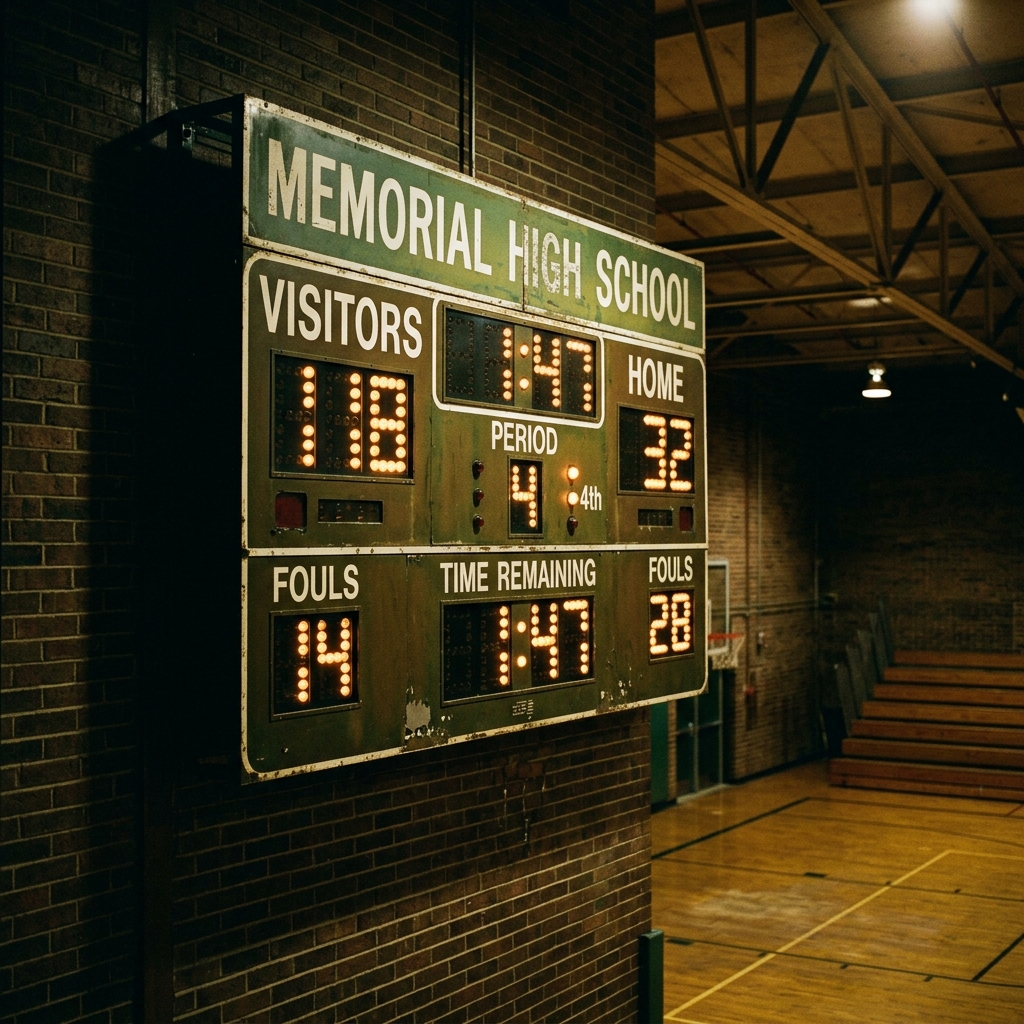
We won easily.
Twenty-two and zero. District champions.
The locker room was electric. Players were laughing. Parents were celebrating. The school was buzzing.
We’re Going to Escort You to Your Car
I stepped away to do a postgame radio interview.
When I finished, I looked down toward the scorer’s table.
Two police officers were standing there. Waiting.
I remember thinking, “Well… that’s different.”
I walked over. One officer looked at me and said, “Coach, we’re going to escort you to your car.”
I laughed. “I don’t need an escort.”
He didn’t laugh back.
“We’ve already moved your family.”
Suddenly it wasn’t funny anymore.
A parent was waiting outside. Angry. Really angry.
Not because we’d lost.
Because we’d won.
His son had been taken out with four minutes left in a twenty-point game.
Think about that for a second.
Twenty-two wins. No losses. A district championship. A community celebrating.
And one decision in the final four minutes became bigger than everything the team had accomplished together.
That’s what happens when our child’s experience becomes the only story we’re watching.

Drawing a Line
I wish I could tell you that was the end of it.
It wasn’t.
A few days later I called him. Not because I wanted to argue. Because I needed to draw a line.
I told him something I’d never said before in my coaching career.
“If I ever believe my safety — or my family’s safety — is at risk because of you again, I won’t coach your children.”
I hated saying those words.
Because I don’t believe kids should pay for their parents’ choices.
But leadership sometimes requires boundaries. Even uncomfortable ones.
His two younger sons eventually transferred to another school.
Good kids. Kids I would’ve coached in a heartbeat.
Years later, I still run into their older brothers. Every time they see me, they walk over with a smile. We shake hands. Sometimes they hug me.
We talk about work. Family. Life.
They’re exactly the kind of men you’d hope athletics would help produce.
Which makes me a little sad.
Because they deserved to enjoy high school basketball without carrying the weight of adult conflict.
Am I Raising My Child, or Managing Their Career?
The strange thing is, I don’t remember that season because we finished 23–1.
I remember it because it taught me one of the hardest lessons in parenting and coaching.
There comes a moment when every parent has to decide:
Am I raising my child, or managing their career?
Those are not the same thing.
One prepares them for life. The other prepares them for disappointment.
Your child doesn’t need you to fight every battle. They need you to believe they’re capable of fighting some battles themselves.
Cheer loudly. Support faithfully. Love unconditionally.
But every once in a while, step back.
Because someday your son or daughter will have a coach who isn’t you. A boss who isn’t you. A spouse who isn’t you. A world that isn’t you.
And if we’ve done our job well, they won’t need us to hold the steering wheel anymore.
They’ll know how to drive.