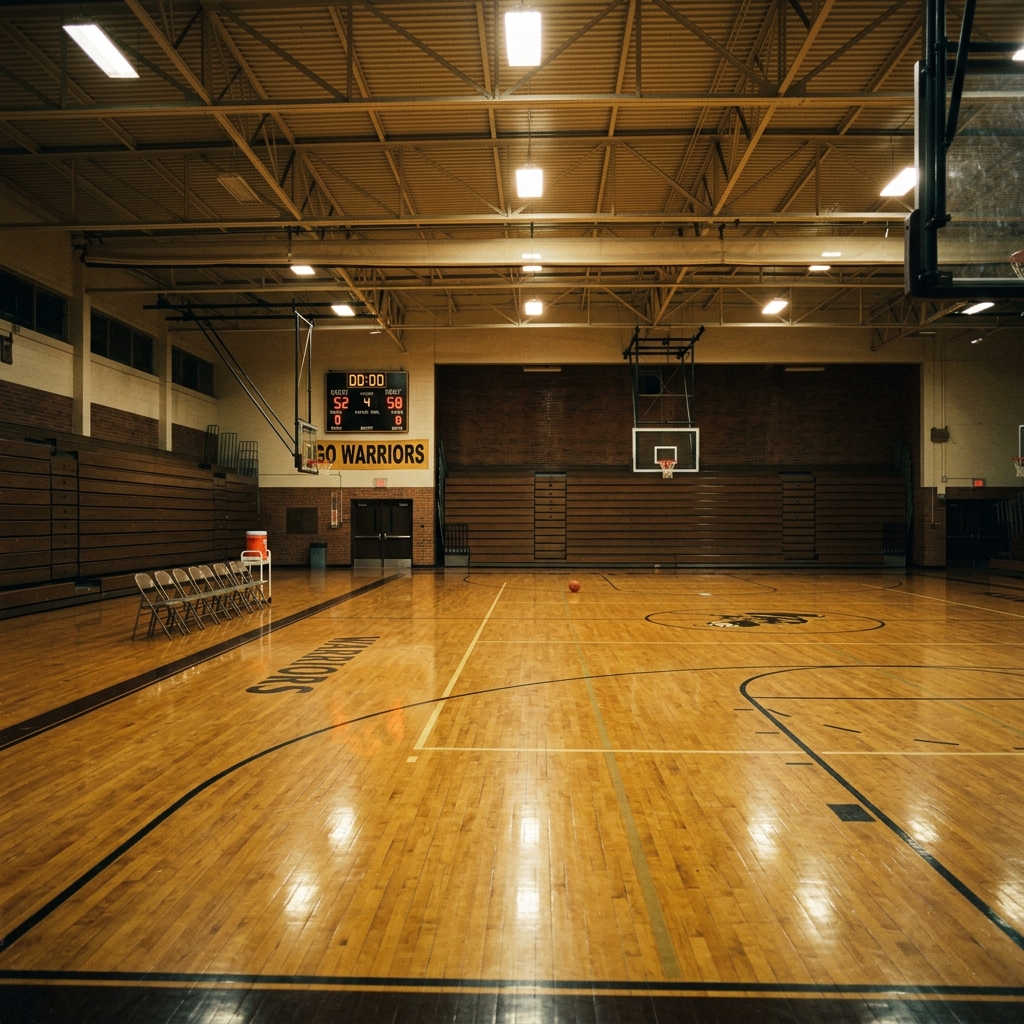
Every coach has one team.
The one they still think about years later. The one that shows up in conversations. The one that quietly sneaks into your thoughts every March.
For me, it was 2005.
This Team Was Different
I’ve coached some really good basketball teams over the years. State tournament teams. Championship teams. Teams that overachieved. Teams that had no business winning as much as they did.
But this team was different.
It was the most talented basketball team I’ve ever coached. Top to bottom.
Our last five players could have started for almost any 5A school in Idaho.
Practice wasn’t practice. It was survival.
If you made it through one of our practices, the game almost felt easy.
Every day was a battle. Every possession mattered. Every player believed he deserved minutes.
Honestly, most of them probably did.
By Christmas, They Were Asking By How Much
The funny thing is, when people hear “most talented team,” they picture a coach sitting back with his feet up, sipping coffee while the players figure everything out.
I wish.
Talent doesn’t eliminate problems. Sometimes it creates new ones.
The expectations grow. The pressure grows. Every game becomes a test you aren’t allowed to fail.
By Christmas, people weren’t asking if we’d win.
They were asking by how much.
Nothing good comes from that.
We opened the season winning. Then we kept winning.
Five in a row. Ten. Fifteen. Twenty.
The target on our backs got bigger every week. Every gym we walked into was packed. Everybody wanted to be the team that knocked us off.
We didn’t flinch.
The players competed. They trusted each other. They defended. They shared the basketball.
More importantly, they played for one another.
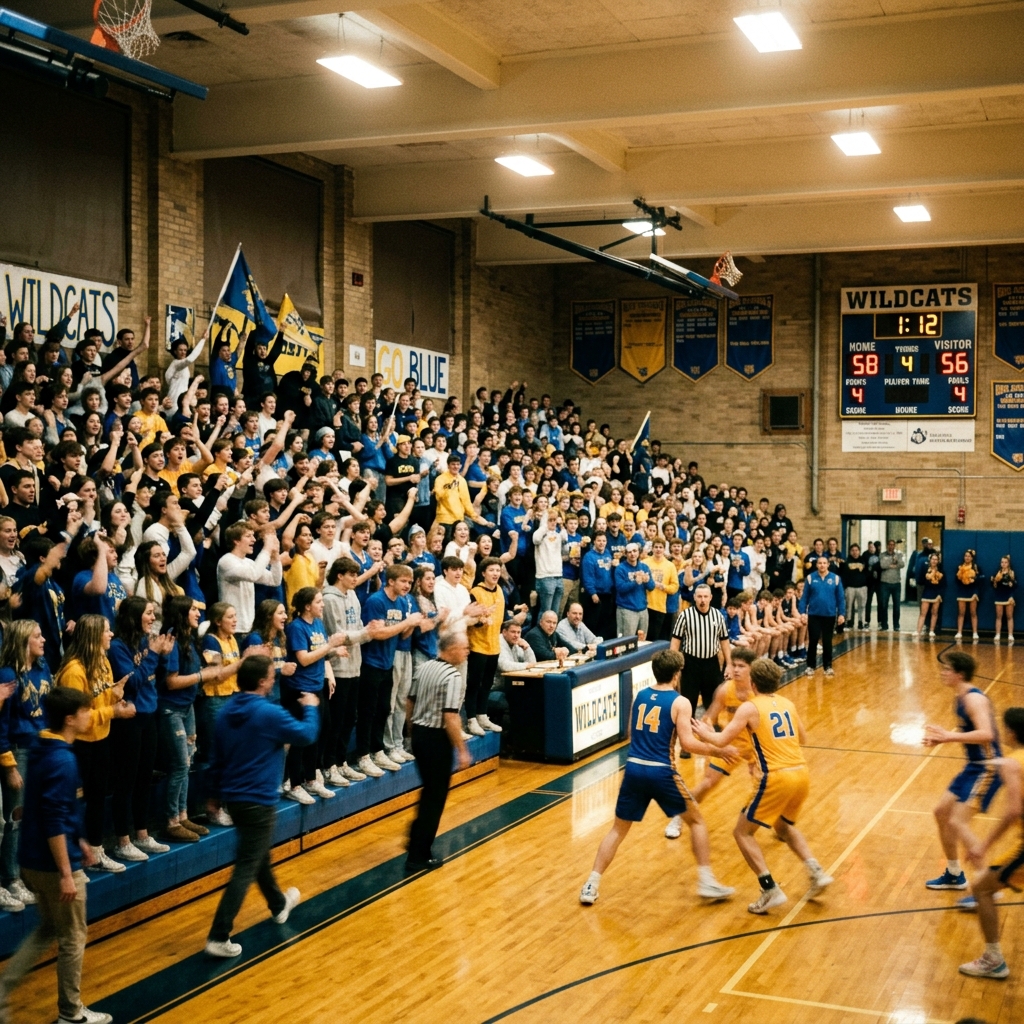
When the regular season ended, we were 22-0.
District champions. Ranked number one in the state.
The first state basketball championship for Twin Falls since 1974 suddenly felt possible.
Maybe even expected.
Then Came Boise
People love talking about pressure. Most of them have never actually felt it.
Pressure isn’t the newspaper rankings. Pressure isn’t hearing people say you’re the favorite.
Pressure is walking into practice and realizing twenty teenagers have placed their dreams in your hands.
Every decision suddenly feels heavier.
Do I start him? Do I sit him? Do I call timeout? Do I let them play through it?
Leadership has a strange way of making even small decisions feel enormous.
Then came Boise. The state tournament.
We were ready. Prepared. Confident. Focused.
Sometimes that’s still not enough.
Sports has a cruel sense of humor. You can do almost everything right and still lose.
That’s exactly what happened.
We didn’t get beat because we were lazy. We didn’t get beat because we overlooked anyone.
We simply had a bad night.
It happens. Just not on the night you want it to.
The final buzzer sounded.
Just like that, months of work were over.
The dream was gone.
The Silence Said Everything
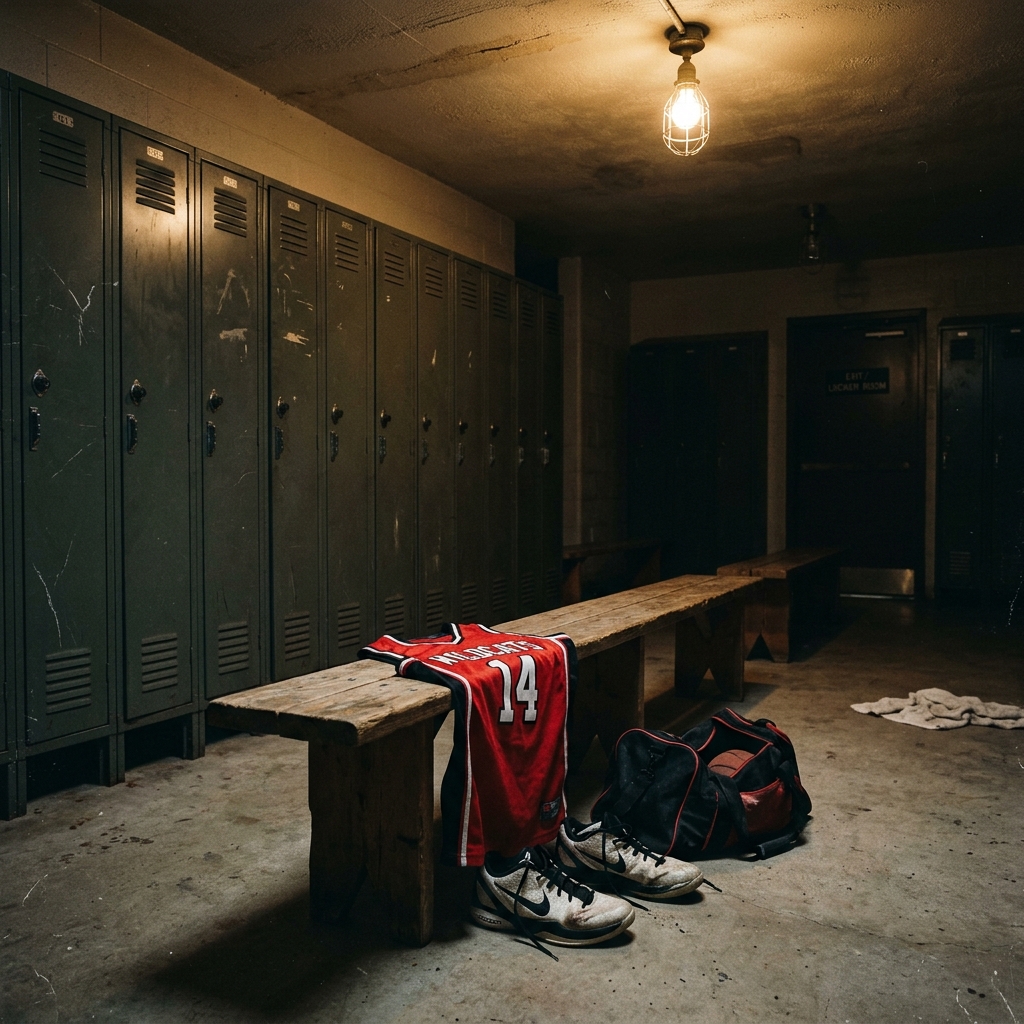
I still remember walking into that locker room.
Nobody said much. They didn’t need to. The silence said everything.
Players stared at the floor. Some cried. Some just sat there.
The uniforms were still on. The shoes were still tied.
But something had changed.
They knew. I knew.
The opportunity we’d been chasing since November wasn’t coming back.
I stood in front of the room trying to gather my thoughts.
I’d spoken to hundreds of teams before games. Halftime. Practices. Banquets.
Speaking had never been the problem.
This time, I couldn’t do it.
There was a lump in my throat the size of a basketball.
I tried to talk. Nothing came out.
I’ve always envied women in moments like that. Somehow they can cry and keep talking.
Not me.
The harder I tried, the worse it got.
Finally, I managed to get out three words.
“Guys… I’m sorry.”
I paused.
“I hope my emotions and my body language are saying what I can’t.”
That was it.
No motivational speech. No life lesson. No quote to put on a locker room wall.
Just three words.
The amazing thing was, they understood.
Sometimes leadership isn’t having the perfect speech. Sometimes leadership is simply letting people see that your heart is breaking too.
What You Become After You Lose
We ended up winning the third-place game.
People congratulated us afterward. Third in the state. A tremendous accomplishment.
Normally, I’d agree.
But not that year. Not with that team.
When you’ve spent four months believing you’re capable of something extraordinary, third place feels like a participation ribbon.
It wasn’t because the trophy lacked value. It was because we knew what we had left on the table.
Over the years I’ve come to realize something.
Success teaches confidence. Failure teaches perspective.
That locker room hurt more than any championship celebration ever felt good.
But it also reminded me why sports matter.
Not because someone cuts down the nets. Because eventually every one of us discovers that life doesn’t always reward preparation with victory.
Sometimes you do everything right and still walk away disappointed.
The real test of character isn’t whether you win. It’s what you become after you lose.
That team never won the state championship.
But those young men taught me more about leadership, resilience, and brotherhood than any team that ever did.
And even today, when someone asks me about the greatest team I ever coached, I don’t hesitate.
It wasn’t the team that won it all.
It was the team that taught me what leadership looks like when the dream doesn’t come true.
Next week, I’ll tell you what happened after we won the district championship. Ironically, it had nothing to do with losing. It had everything to do with winning.